Probability Games That Improve Focus and Accuracy
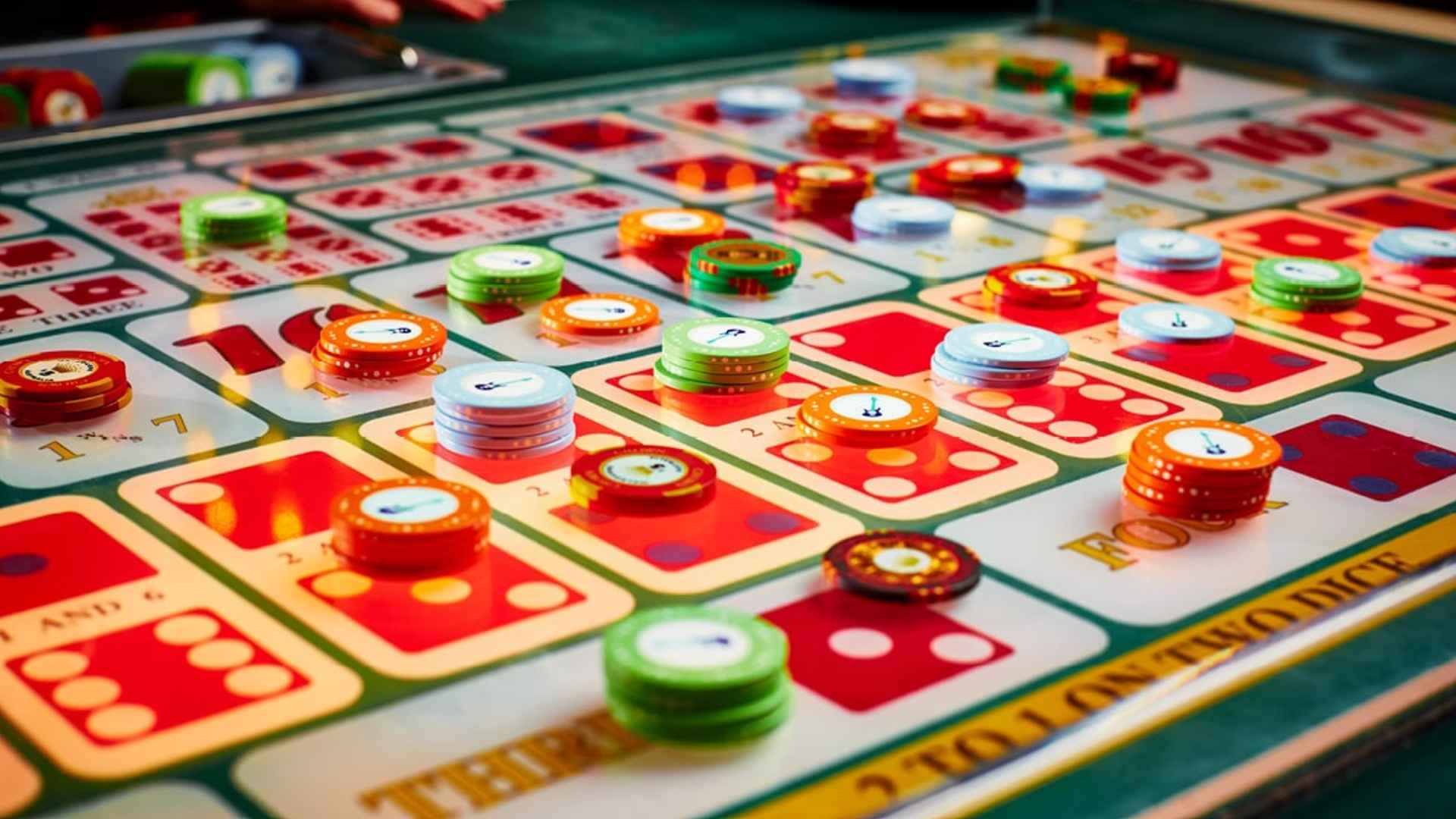
Engaging in activities that combine mental sharpness with elements of uncertainty has become a popular method for cognitive enhancement. Probability games force the human brain to process shifting variables while maintaining a sharp eye on immediate goals. By learning to calculate risk dynamically, players can significantly refine their attentional stamina and decision-making precision over time.
The Cognitive Link Between Risk and Concentration
When individuals participate in games governed by statistical distributions, their brains must filter out background noise to track changing odds. This active engagement trains the mind to remain deeply locked onto the task at hand without getting distracted by short-term variance. Over multiple sessions, this mental conditioning translates into heightened situational awareness and longer attention spans in daily routines.
Furthermore, managing unpredictable parameters requires players to constantly re-evaluate their current strategies based on new data points. This process prevents cognitive complacency, ensuring that the mind stays adaptive and alert to subtle patterns. As a result, individuals develop a more disciplined approach to filtering relevant information from chaotic environments.
Enhancing Analytical Precision Through Calculated Choice
Accuracy in decision-making heavily relies on an individual's capacity to objectively weigh potential outcomes against immediate risks. Probability challenges strip away simple guesswork by forcing participants to rely strictly on logical reasoning and mathematical likelihoods. This structured evaluation helps minimize emotional biases, allowing for much cleaner execution when selecting the most efficient path forward.
For those looking to test these analytical faculties in dynamic virtual environments, utilizing a verified framework like M88 indonesia offers an immersive way to see randomized algorithms in real time. Engaging with these digital platforms can help enthusiasts observe how true randomness operates across continuous iterations. Developing this statistical intuition is highly beneficial for sharpening real-world forecasting precision.
Practical Training Formats for Daily Improvement
Integrating these cognitive exercises into your routine does not require advanced technical degrees or complex setups. Simple tabletop dice simulations and specialized card puzzles serve as excellent baseline tools for testing your statistical tracking abilities. The primary focus should always be on monitoring the frequency of specific results over long periods rather than hunting short-term wins.
Another highly effective method involves engaging with timed probability matrices that penalize rushed decisions. These exercises simulate high-pressure scenarios where hasty choices lead to immediate analytical failures, forcing the player to maintain absolute composure. Consistent exposure to these parameters gradually builds the mental fortitude required for error-free performance under stress.
Building Composure Under Pressure
Simulating scenarios where outcomes are highly uncertain helps individuals develop emotional stability during critical moments. Probability games frequently place players in positions where even the most logical choice can result in a temporary setback due to variance. Learning to accept these randomized fluctuations without losing emotional control is essential for sustaining long-term execution accuracy.
By remaining calm during periods of statistical adversity, players train themselves to avoid panic-driven mistakes in high-stakes environments. This structural conditioning ensures that subsequent actions are guided by objective calculations rather than impulsive reactions. Over time, this resilience builds a reliable foundation for making precise choices when the stakes are highest.
Long-Term Benefits for Mental Agility
Regularly challenging the mind with statistical uncertainties fosters a highly robust cognitive framework that excels at risk mitigation. Individuals who practice these disciplines regularly report greater confidence when faced with incomplete information in professional spaces. By treating uncertainty as a measurable variable, the mind becomes far less prone to anxiety and situational paralysis.
Ultimately, the intersection of mathematical chance and deliberate strategy provides a comprehensive playground for continuous self-improvement. Dedicating just a few minutes each day to these tactical exercises can yield noticeable upgrades in both professional execution and daily problem-solving. Embracing the challenge of probability keeps the brain sharp, accurate, and ready for any complex scenario.